
Also available in:
Available in 7 languages — select your language above
Sabudana Khichdi for Ekadashi — Vrat Recipe (No Grain, No Onion, No Garlic)
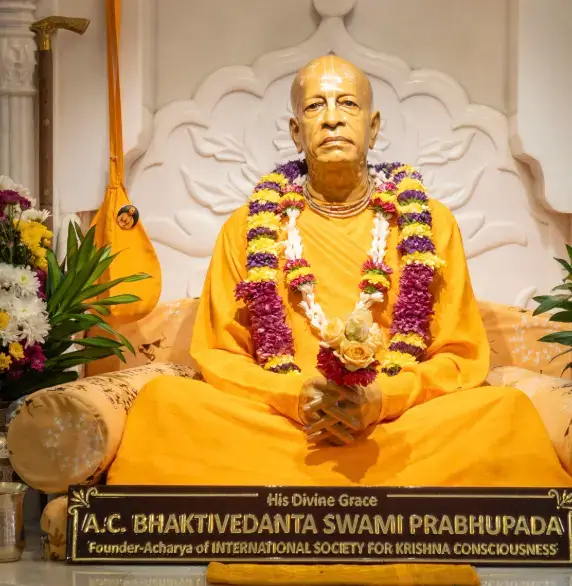
Sabudana Khichdi for Ekadashi is one of the most beloved fasting recipes prepared by Hare Krishna devotees around the world. This simple yet deeply satisfying dish — made from tapioca pearls soaked overnight, tossed with roasted peanuts, boiled potatoes, cumin, and sendha namak (rock salt) in pure ghee — has been a staple of Ekadashi observance in Hare Krishna communities on every continent since Srila Prabhupada established the movement in 1966. Unlike commercial vrat foods laden with preservatives, this preparation uses only sattvic ingredients that support both physical sustenance and mental clarity during the fast. Srila Prabhupada encouraged his disciples to observe Ekadashi strictly, and this Sabudana Khichdi — light on the stomach yet rich in energy — has long been among the most cherished fasting preparations of Hare Krishna devotees. Whether you are fasting for Nirjala Ekadashi, Pandava Ekadashi, or any of the 24 Ekadashis in the Vaishnava calendar, this recipe provides nourishment without breaking the spirit of the fast. The secret to perfect, non-sticky Sabudana Khichdi is soaking in minimum water and draining completely — a technique passed down through generations of devotee cooks.
Why This Recipe Is Ekadashi Approved
Sabudana, also known as tapioca pearls or sago, is derived from the starch of the cassava root — a tuber, not a grain. This botanical distinction is crucial on Ekadashi, when Vaishnava scripture (Padma Purana and Skanda Purana) prohibits the consumption of grains (anna), which are said to harbour the sin of Brahma-hatya. Since sabudana is processed from cassava root starch and is classified as a root derivative, not a grain, it is fully compatible with Ekadashi fasting as observed by ISKCON devotees. Srila Prabhupada's standard for Ekadashi included sesame seeds, mustard seeds, and peanuts — simple sattvic preparations that support spiritual practice. Rock salt (sendha namak) is used instead of regular iodised salt because regular salt undergoes chemical processing. No onion, no garlic — in keeping with the Vaishnava exclusion of rajasic and tamasic ingredients. This recipe is consistent with the Ekadashi food guidelines followed by ISKCON devotees.
🙏 Srila Prabhupada's Guidance: Srila Prabhupada taught that Ekadashi fasting is not merely physical austerity but an opportunity to redirect all energy toward Krishna. 'On Ekadashi,' he wrote, 'one should not eat grains. One should fast and chant Hare Krishna as much as possible.' Sabudana Khichdi, being light and sattvic, was among the preparations he permitted for those unable to fast completely.
Ingredients
- 1 cup sabudana (tapioca pearls)
- 2 medium potatoes, boiled and cubed
- ½ cup roasted peanuts, coarsely crushed
- 2 tbsp pure ghee
- 1 tsp cumin seeds
- 2 green chillies, finely chopped
- 1 tsp sendha namak (rock salt)
- 1 tbsp lemon juice
- 2 tbsp fresh coriander leaves, chopped
- 1 tsp sugar (optional)
💡 Key Tip
The secret to non-sticky sabudana khichdi is soaking in minimum water and draining completely before cooking. Never soak in excess water and always drain fully before adding to the pan.
Nutritional Note
High in carbohydrates for quick fasting energy. Protein from roasted peanuts supports satiety. Healthy fats from pure ghee aid digestion and nutrient absorption. Lemon juice adds Vitamin C. Suitable for Ekadashi and general vrat fasting.
Step-by-Step Instructions
- 1
Soak Sabudana
Place sabudana in a bowl with just enough water to cover — 1:1 ratio of sabudana to water. Do not add excess water. Soak overnight (8 hours minimum) or for 6 hours minimum. The sabudana should absorb all the water and become soft but not mushy.
- 2
Drain Completely
Drain the soaked sabudana through a fine mesh strainer. Shake out all excess moisture. This step is critical — any moisture left will cause the sabudana to clump and become sticky. Spread on a kitchen towel and pat dry if needed.
- 3
Heat Ghee and Splutter Cumin
Heat 2 tbsp pure ghee in a wide non-stick pan or kadai over medium heat. Add cumin seeds and let them splutter for 30 seconds until fragrant and slightly golden. The cumin must turn golden — raw cumin tastes bitter.
- 4
Add Chillies and Potatoes
Add chopped green chillies and sauté for 30 seconds. Add the boiled cubed potatoes and toss gently to coat with ghee. Cook for 3 minutes on medium heat until the potatoes are slightly golden at the edges.
- 5
Add Sabudana
Add the drained sabudana to the pan. Gently stir to combine with the potatoes. Cook on medium-low heat for 5 minutes, stirring every minute, until the sabudana turns translucent. Do not cover the pan.
- 6
Season and Finish
Add the crushed peanuts, sendha namak, and sugar if using. Stir gently and cook for 2 more minutes. Switch off flame. Add lemon juice and fresh coriander. Toss gently. Serve hot immediately — sabudana khichdi is best eaten fresh.
🪷 Offer to Krishna First
Before honouring this prasadam, offer it to Lord Krishna with love. Place the preparation before a picture or deity of Krishna and offer it with a sincere heart, chanting Hare Krishna. Food offered to Krishna becomes prasadam — sanctified food that nourishes both body and soul.
Make your cooking a meditation — chant the Hare Krishna maha-mantra while you prepare this offering: Hare Krishna Hare Krishna Krishna Krishna Hare Hare / Hare Rama Hare Rama Rama Rama Hare Hare. You can also play bhajans from our bhajans collection while cooking.
Share This Recipe
Share this Ekadashi recipe with your community — available in 7 languages.
Related Pages
Frequently Asked Questions
About This Recipe
- Following Srila Prabhupada's Ekadashi standard (Yamuna Devi's Lord Krishna's Cuisine)
- Consistent with ISKCON Desire Tree's Ekadashi food guidelines
This recipe is prepared according to the Ekadashi fasting standards followed by ISKCON devotees.