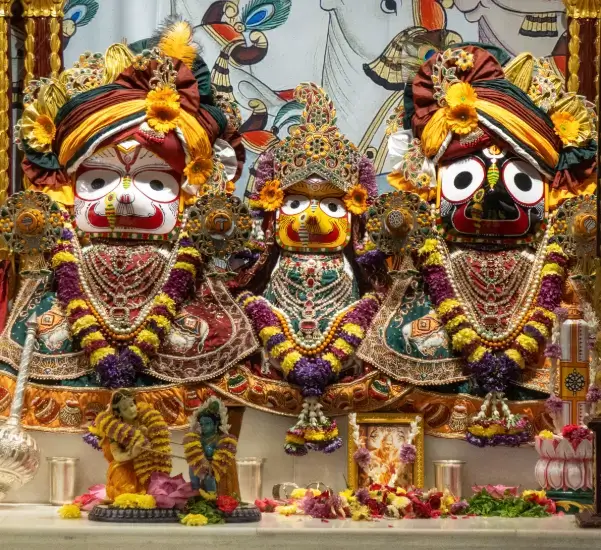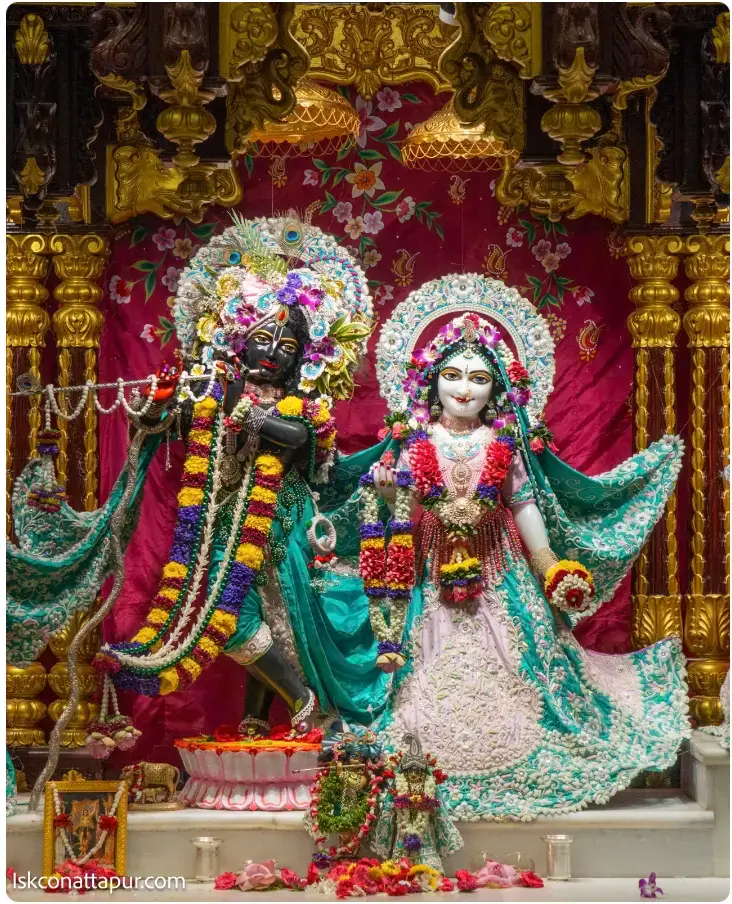

Pashankusha Ekadashi
Ekadashi Fasting Rules: A Sincere Guide to Fasting for the Body and Feasting for the Soul
Ekadashi Fasting Rules: A Sincere Guide to Fasting for the Body and Feasting for the Soul
Ekadashi is the eleventh lunar day (tithi) of the waxing and waning fortnights — observed twice every month by Vaishnavas as one of the most sacred days for the worship of Lord Sri Vishnu and Sri Krishna. This guide explains the Ekadashi fasting rules simply and sincerely: what to eat, what to avoid, what to do if you slip, how to break the fast (parana), and the deep spiritual benefits of observing Ekadashi.
ekādaśyāṁ nirāhāraḥ sthitvā 'nyedyuḥ paraṅ-mukhāḥ
bhuktvā ca harim uddiśya sarva-pāpaiḥ pramucyate"By fasting on Ekadashi and breaking the fast on Dvadashi while remembering Lord Hari, one is freed from all sins." (Padma Purana, paraphrased)
Ekadashi Fasting Rules at a Glance
- Avoid all grains and beans for the full Ekadashi day, including wheat, rice, dal, corn, oats, semolina, besan and all flours made from grains/legumes.
- Eat simple Ekadashi-friendly foods — fruits, milk products, potatoes and other tubers, nuts, sabudana (tapioca), buckwheat (kuttu), water chestnut (singhada), rock salt.
- Increase remembrance of Krishna — chant extra rounds of the Hare Krishna maha-mantra, read Srila Prabhupada's books, hear the holy name.
- Break the fast (parana) on Dvadashi within the prescribed parana window (always listed for each Ekadashi on our calendar).
Why We Fast on Ekadashi
Srila Prabhupada repeatedly emphasised that Ekadashi is not about punishing the body. It is about simplifying the body so that the mind and senses can be turned fully towards Krishna. By minimising eating, cooking and digestion, the day naturally opens up for hearing, chanting and remembering the Lord. The Puranas state that all sinful reactions take shelter in grains on Ekadashi day — therefore Vaishnavas avoid grains and beans to purify both body and consciousness.
Ekadashi Food List: What to Eat on Ekadashi
The principle is simple: keep the food sattvic, grain-free, and offered to Krishna first. Below is a quick Ekadashi food list devotees use across ISKCON kitchens.
| Category | Allowed on Ekadashi | Strictly Avoid |
|---|---|---|
| Grains | None — Ekadashi is grain-free | Rice, wheat, oats, barley, millet, semolina, maida, atta |
| Beans & Lentils | None — all dals are avoided | Toor, moong, chana, urad, masoor, rajma, besan |
| Flours | Buckwheat (kuttu), water chestnut (singhada), rajgira (amaranth), arrowroot | Wheat, rice, besan, corn flour |
| Vegetables | Potatoes, sweet potatoes, yam, raw banana, pumpkin, bottle gourd, spinach, cucumber, tomatoes | Onion and garlic (always avoided by Vaishnavas) |
| Fruits | All fresh fruits — bananas, apples, mangoes, grapes, pomegranate, melons | — |
| Dairy | Milk, yogurt, paneer, ghee, butter, cream | — |
| Nuts & Seeds | Almonds, cashews, peanuts, walnuts, raisins, makhana (fox nuts) | Sesame (except on specific Ekadashis like Shat-tila where it is recommended) |
| Special staples | Sabudana (tapioca pearls), boiled potato, sweet potato kheer, kuttu puri, singhada halwa | — |
| Salt & Spices | Sendha namak (rock salt), cumin, black pepper, ginger, green chilli | Regular table salt, hing (asafoetida — usually wheat-based) |
| Drinks | Water, milk, fresh juice, lemon water | Tea/coffee preferably avoided; never alcohol |
Permitted Ekadashi staples
- Boiled or roasted potato with rock salt, cumin and ginger
- Sabudana khichdi with peanuts
- Sweet potato halwa, banana chips, fruit chaat
- Kuttu puri with aloo sabji
- Milk, lassi, paneer, makhana kheer
Ekadashi Food List: What to Avoid
Beyond the obvious grains and beans, devotees also avoid anything that breaks the spirit of simple, Krishna-conscious eating: heavily processed packaged food, fried street food, restaurant meals (the contents are unknown), and stimulants like onion, garlic, alcohol, paan and tobacco. Even rajasic items like coffee and strong tea are best minimised — the day is meant for stillness, not stimulation.
Accidental Grains on Ekadashi — What if I Slip Up?
Don't panic. Accidental grains on Ekadashi do not destroy your devotion. Srila Prabhupada repeatedly stressed that Krishna sees the intention behind our service. If you ate something containing grain unknowingly:
- Stop as soon as you realise.
- Offer a sincere prayer to Lord Krishna — beg His forgiveness and remember that He is the protector of those who try to serve Him.
- Chant extra rounds of the Hare Krishna maha-mantra that day.
- Resume strict observance for the rest of the day — fruit, milk, water, and remembrance of the Lord.
If you knowingly broke the fast because of weakness, simply observe the next Ekadashi with renewed determination. Devotional life is built up steadily, not perfectly.
Breaking the Ekadashi Fast (Parana Time)
The fast is not complete until it is properly broken. The act of breaking the fast is called parana — and the Ekadashi parana time is a specific window on the following morning (Dvadashi) within which a Vaishnava is supposed to take grains again. Each Ekadashi has its own parana window, which we publish on our Ekadashi calendar alongside the date.
- Parana is done after sunrise on Dvadashi and before the parana end-time.
- Begin with a small offering of grain prasadam to Krishna — traditionally a little rice or roti — and then take it as prasadam.
- If the parana window is very short, break the fast first thing after morning chanting and bath.
Breaking the Ekadashi fast within the prescribed parana time completes the observance and brings the full spiritual benefit described in the Puranas.
Benefits of Ekadashi
The benefits of Ekadashi described in scripture are extraordinary, but they are best understood from a devotional, not transactional, angle. Vaishnavas observe Ekadashi to please Lord Krishna — and the by-products are real:
- Spiritual: destruction of accumulated sinful reactions, advancement towards bhakti, increased taste for the holy name.
- Mental: a quieter, less restless mind; more clarity in meditation and chanting.
- Physical: rest for the digestive system, lightness in the body, improved sleep.
- Community: a shared rhythm of devotion every fortnight that anchors family and sangha life.
Feasting for the Soul
While the body fasts, the soul should feast. Use the extra time and lightness Ekadashi gives you to:
- Chant extra rounds of the Hare Krishna maha-mantra.
- Read Bhagavad-gita As It Is or Srimad-Bhagavatam.
- Attend or play Mangal Arti and other devotional bhajans and kirtans.
- Hear the pastimes of the Lord associated with that particular Ekadashi from our vrat-katha library.
This is the real meaning of Ekadashi: fasting for the body, feasting for the soul.
Final Thoughts
Ekadashi is a gift. It is the Lord's own arrangement to remind us, every two weeks, that we are not these bodies — we are eternal servants of Krishna. Whether you observe Nirjala (no water), full fast, or simply grain-free with fruit and milk, do it with love, do it sincerely, and do it for Him.
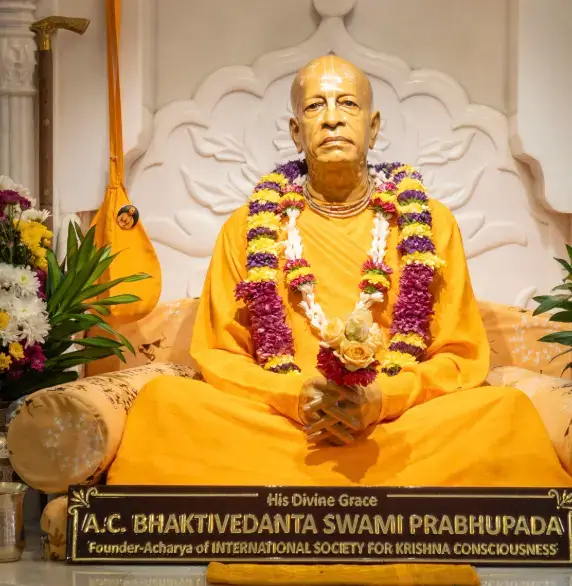
We offer all this knowledge at the lotus feet of our founder-acharya His Divine Grace A.C. Bhaktivedanta Swami Srila Prabhupada, by whose mercy alone these eternal truths are accessible to us today.
References
- Padma Purana — glories of Ekadashi
- Hari-bhakti-vilasa by Srila Sanatana Goswami — rules of vaidhi-bhakti and vrata observance
- Lectures and conversations of His Divine Grace A.C. Bhaktivedanta Swami Srila Prabhupada
- KC Zenithians Ekadashi Calendar — dates and parana times for the year
Share this article
Frequently Asked Questions
What foods are allowed on Ekadashi?
Permitted foods include all fruits, most vegetables (potatoes, pumpkin, squash, eggplant, leafy greens), dairy products (milk, yogurt, paneer, ghee), nuts and seeds, and special flours like buckwheat, water chestnut, and amaranth flour. Raw sugar, jaggery, and honey are also acceptable.
Why are grains and beans prohibited on Ekadashi?
According to the Padma Purana, grains and beans harbor the papa-purusha (embodiment of sinful reactions) on Ekadashi day. Lord Vishnu instructed that avoiding these foods on Ekadashi brings spiritual purification and removes sinful reactions accumulated from daily life.
Can I eat potatoes and root vegetables on Ekadashi?
Yes, potatoes, sweet potatoes, carrots, beets, radish, and other root vegetables are permitted on Ekadashi. They are sattvic foods that provide nourishment while supporting the spiritual focus of the fast.
What flour can be used on Ekadashi for making rotis?
Non-grain flours permitted on Ekadashi include buckwheat flour (kuttu), water chestnut flour (singhara), amaranth flour (rajgira), tapioca flour, and arrowroot. These can be used to make flatbreads and other preparations without breaking the fast.
Is complete fasting required on Ekadashi or can we eat?
While complete fasting from food and water is considered the highest standard, Srila Prabhupada explained that devotees may consume permitted foods like fruits, vegetables, nuts, and dairy to maintain strength for devotional service. The essential requirement is avoiding grains and beans.
Can I drink coffee or tea on Ekadashi?
Plain milk, herbal infusions, ginger tea, and lemon water are ideal. Coffee and regular tea (which contain stimulants in the mode of passion) are best avoided on Ekadashi, especially since the day is meant for quieting the body and mind. If you absolutely need them for a medical reason or to function at work, take the minimum — but never as a habit on this sacred day.
Is asafoetida (hing) allowed on Ekadashi?
Pure asafoetida resin is technically permitted, but almost all commercial hing sold in stores is compounded with wheat or rice flour as a binder — which makes it a grain product and strictly forbidden on Ekadashi. Read the label carefully, and when in doubt, leave it out. Most Ekadashi recipes work perfectly well without it.
Can I take medicine during the Ekadashi fast?
Yes. Prescribed medicine takes priority over fasting rules — Srila Prabhupada was always practical about health. Take your medication with water, milk, or fruit as needed, and do not let it cause anxiety about your vow. The spirit of Ekadashi is devotion, not endangering your body.
Are pregnant women, children, or the elderly required to fast strictly?
No. Traditional Vaishnava guidance exempts pregnant women, nursing mothers, young children, the seriously ill, and the very elderly from strict fasting. They may eat permitted Ekadashi foods (fruits, dairy, non-grain starches) freely throughout the day. The principle is bhakti (loving service), never harming the body.
What is Nirjala Ekadashi and how is it different?
Nirjala Ekadashi (also called Pandava Nirjala or Bhima Ekadashi) is the strictest Ekadashi of the year, observed without even a drop of water from sunrise on Ekadashi until parana on Dvadashi. The Padma Purana states that observing this one Ekadashi alone grants the merit of observing all twenty-four Ekadashis. Read our full guide at /ekadashi/pandava-nirjala-ekadashi.
When and how should I break the fast (parana time)?
The fast is broken the next morning (Dvadashi) within a specific window known as parana, which varies by city and date. Look up the exact time on our Ekadashi calendar (/ekadashi) or your local Vaishnava panchanga. Tradition is to first offer grains to Krishna, then honor a small portion of that prasadam — typically rice or a piece of wheat roti — before resuming your normal diet.
I accidentally ate a grain — is my fast ruined?
No. An honest mistake does not destroy the merit of your sincere effort. Acknowledge it, pray for forgiveness, and continue with the Ekadashi diet for the rest of the day — do not abandon the fast and eat a full meal. Srila Prabhupada repeatedly emphasized that Krishna sees the intent of the devotee, not mechanical perfection.
📥 Ekadashi Cheat Sheet — Save & Share
A free one-page visual guide you can keep on your phone and share with family and friends.
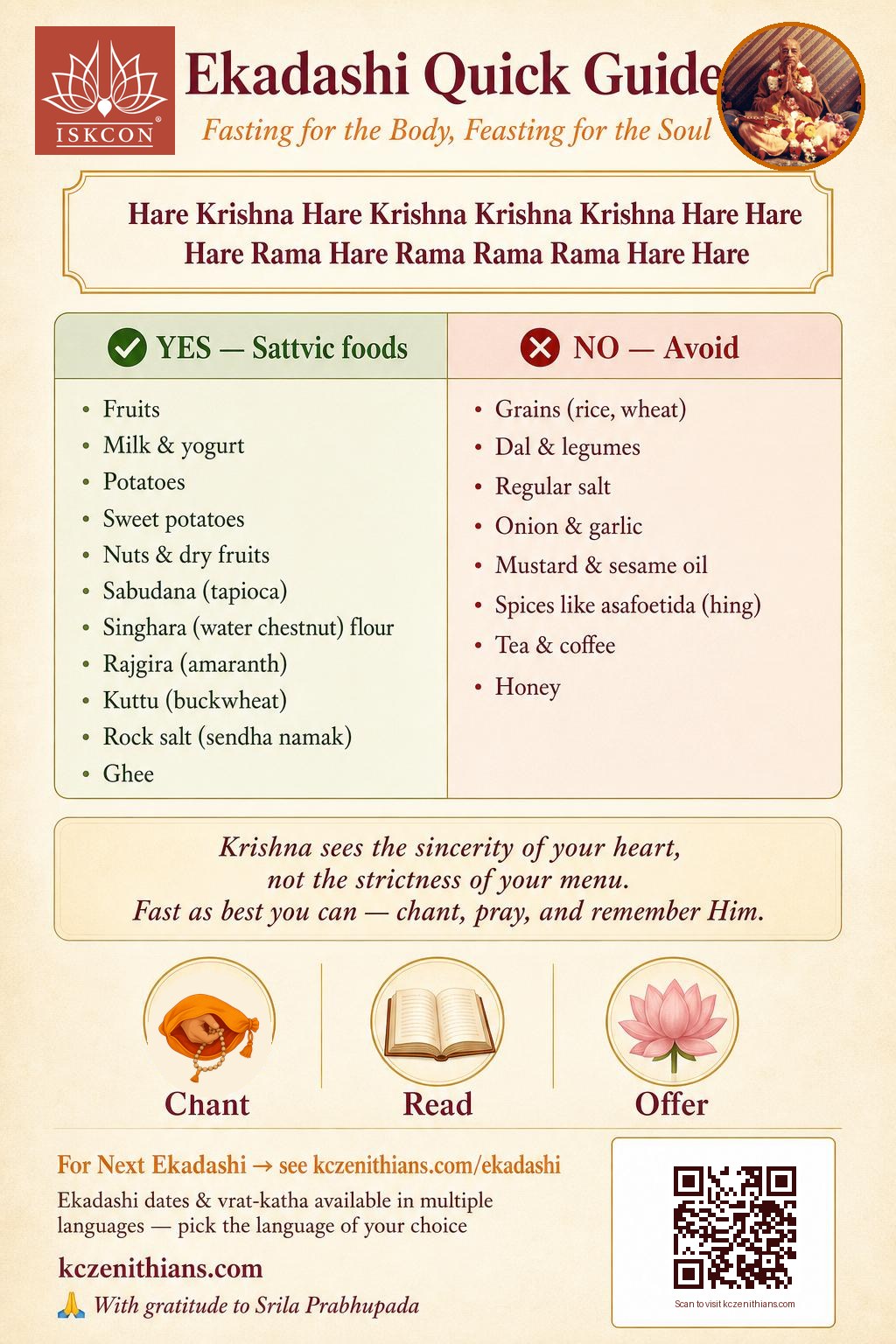
📱 On mobile: long-press the image to save to your photos.
🖥️ On desktop: right-click → Save Image As.
Related Guidance
Have a question about Ekadashi or a personal experience to share?
Leave a comment below — we answer every question.
Send your questionRate This Article
How would you rate this article? Click on a star to rate: